Recycled-content targets from 2030: why measurable quality is becoming the bottleneck
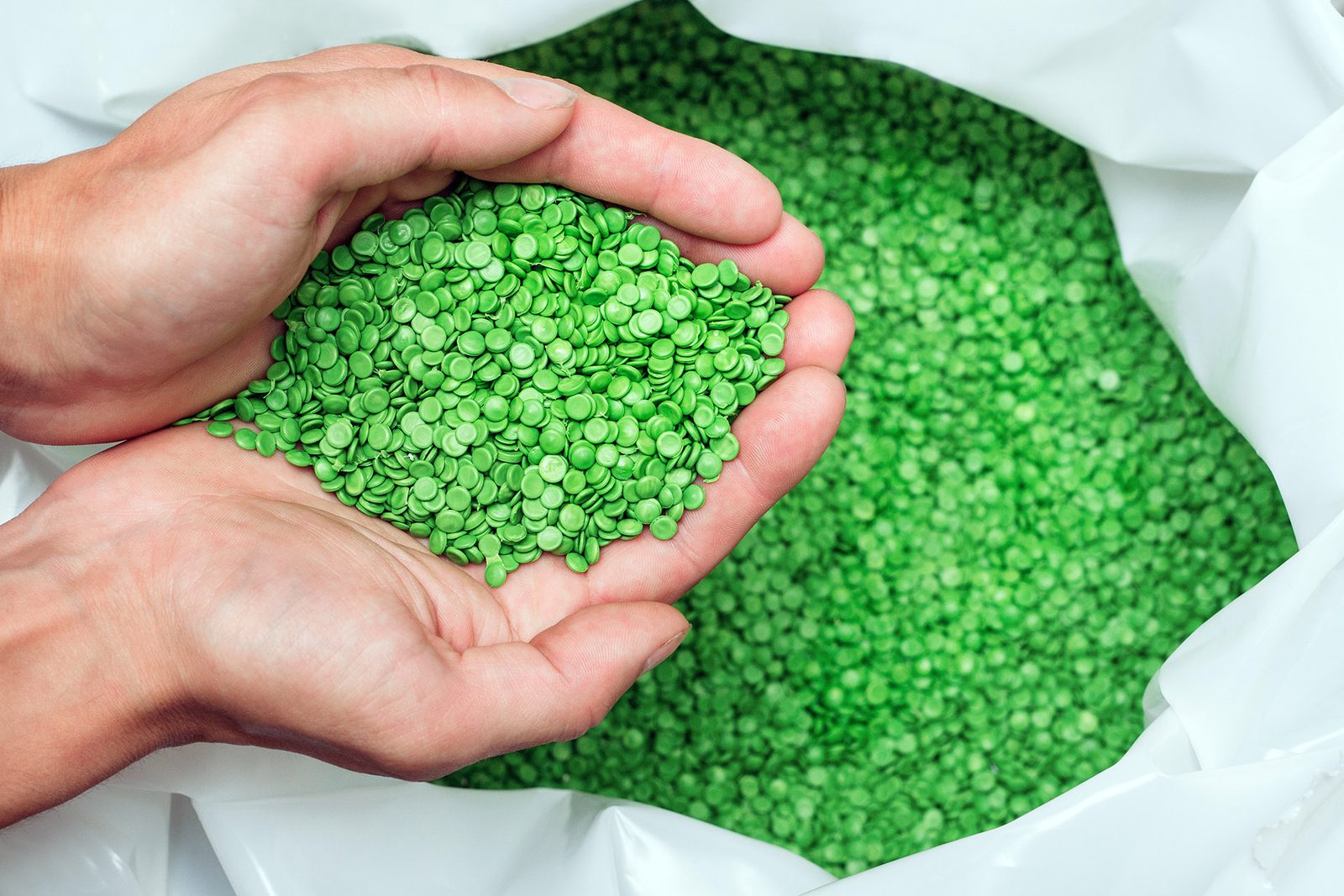
With the EU Packaging and Packaging Waste Regulation (PPWR, Regulation (EU) 2025/40), the use of recyclate becomes mandatory. From 2030, plastic packaging must contain minimum shares of recycled content, graded by packaging type. Demand for recyclate will therefore rise in a predictable way.
The real bottleneck, however, is less the quantity than the quality. Processors need material that can be processed reliably. Fluctuating melt flow indices, gels, specks and other contamination lead to scrap, downtime and complaints. As long as the quality of a batch is not reliably known, switching to recyclate remains a risk.
What matters, therefore, is to measure quality objectively rather than judge it by eye. That is exactly why we co-developed DIN SPEC 91522. It defines an optical test method for determining the defect density of recyclate films in a uniform, comparable way, so suppliers and buyers talk about the same values.
In practice, this means:
– In production: the PQMex® tests diverted pellets online, detects gels and contamination in real time and assigns the material to quality grades.
– In the laboratory: with the ITG 500 and our sample analyses, we test film and pellet samples for gels and defects and measure melt flow index and residual moisture.
– Along the chain: measured, documented quality provides the basis for binding quality grades between recycler and processor.
Anyone who starts measuring the quality of their recyclates systematically today will be better prepared for the targets from 2030. Get in touch – we will gladly show you what this could look like in your process.
Questions about a news item?
Talk to us about our systems, projects and trade fair appearances – we will get back to you quickly.